
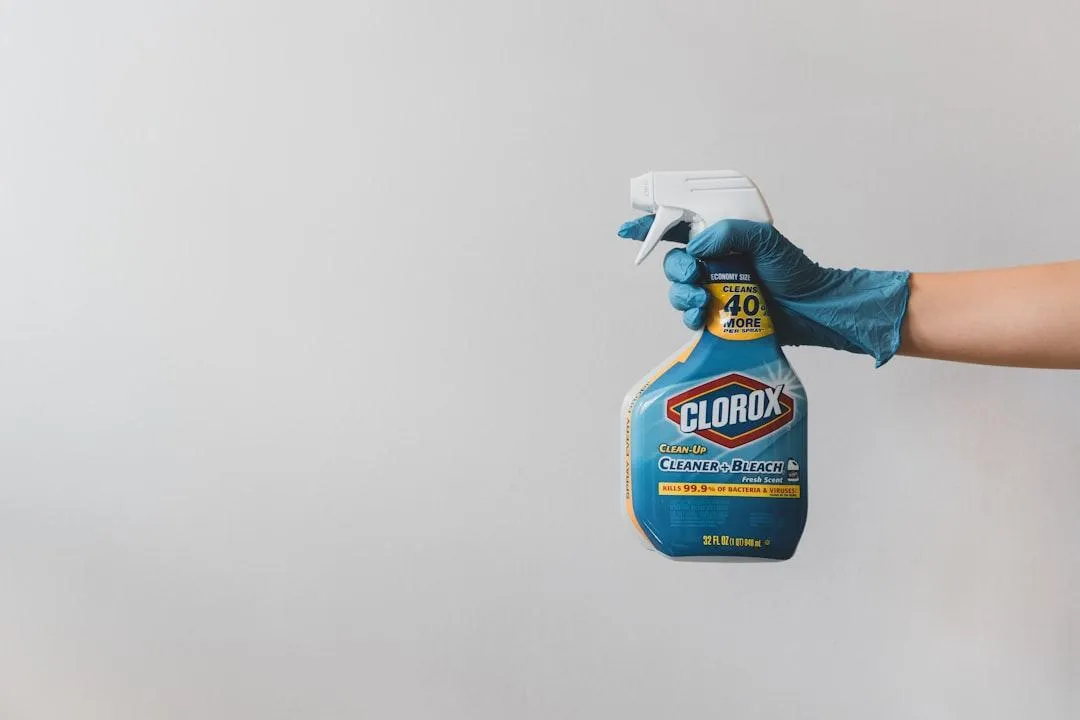
Can you use bleach on artificial grass?

The Golden Rule: Dilution is Everything
You should never pour concentrated bleach directly onto your synthetic turf. Pure bleach is a harsh corrosive that can weaken the structural integrity of the turf backing and, in some cases, cause the vibrant green fibers to fade or become brittle over time.
The Professional Bleach Ratio
If you are dealing with a severe sanitation issue (such as extreme mold or viral contamination), use a very weak solution:
The Mix: 1 part bleach to 10 parts water (a 10% solution).
The Tool: Use a pressurized garden sprayer to ensure an even, light mist rather than drenching one specific spot.
Step-by-Step: How to Bleach Safely
1. The Pre-Rinse
Before applying any chemicals, hose down the area with fresh water. This hydrates the turf fibers and the infill, which helps the bleach solution spread evenly and prevents it from "shocking" any one area of the backing.
2. Spot Test First
Find a small, inconspicuous corner of your lawn (perhaps under a planter or behind a shed). Apply your 10% solution and wait 24 hours. Check for any discoloration or changes in the texture of the blades before proceeding to the rest of the yard.
3. Apply and Scrub
Lightly spray the diluted solution over the affected area. For stubborn mold or algae, use a turf-safe plastic brush to gently agitate the fibers. Never use a wire brush, as this can tear the thatch.
4. The 3-Minute Limit
Do not let bleach sit on your turf for more than 2 to 3 minutes. Bleach is an oxidant; the longer it sits, the more it eats away at the UV-protective coating on your grass blades.
5. The Massive Rinse
This is the most important step. Flush the area with a high volume of water. You want to ensure that all traces of bleach are washed through the drainage holes and into the sub-base. Warning: Be mindful of where the runoff goes—bleach-water can kill surrounding plants, flowers, and natural grass borders.
Why TurfRevive Recommends Alternatives
While bleach kills bacteria, it has several major drawbacks for artificial grass owners:
Pet Safety:Bleach residue can be irritating to a dog’s paws or skin. Even dried bleach can reactivate if the dog licks the grass or if it gets wet again.
The "Ammonia Risk":As we discuss often atTurfRevive, mixing bleach with pet urine (which contains ammonia) can createtoxic chloramine gas. This is why you should never use bleach to clean a "pet potty" area.
Environmental Impact:Bleach runoff is toxic to the beneficial microbes in your soil and can damage your local ecosystem.
A Better Way: Enzymatic Cleaners
For 99% of turf issues—including pet odors, mold, and general grime—an enzymatic cleaner is the superior choice. Products specifically designed for turf (like those we use in our professional services) "eat" the organic matter and bacteria without the risk of fading your grass or harming your pets.
Need a Deeper Clean?
If your turf has reached the point where you feel bleach is necessary, it might be time for a professional restoration. At TurfRevive.net, we use hospital-grade, eco-friendly disinfectants that sanitize your lawn completely without the risks associated with bleach.

Stay in contact
get our newsletter

PRIVACY POLICY
TERMS AND CONDITIONS
Copyright © 2026. All rights reserved. Turf Revive
FOLLOW US

